- Tens of thousands property flood claims lodged
- Most homeowners are under-insured
- Novice investors often don't have landlord insurance
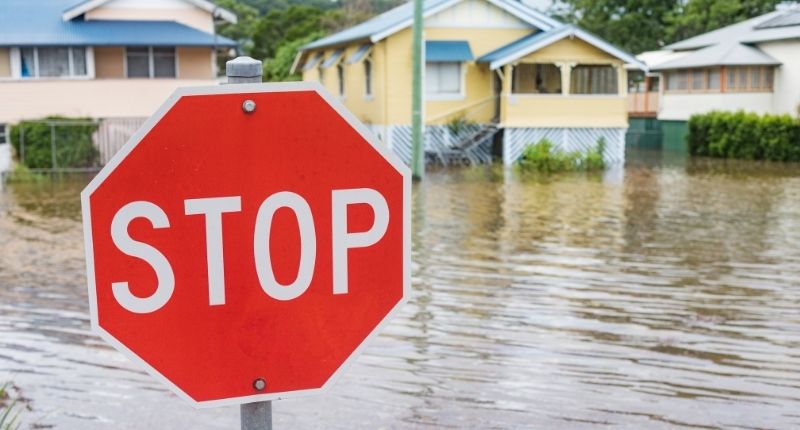
Some unfortunate flood-affected property owners may soon realise that they didn’t have adequate insurance to cover the repair, or the rebuild, of their properties.
The flooding across Queensland and New South Wales have resulted in tens of thousands of claims already being lodged by the Insurance Council Of Australia (ICA) with about 83 per cent being related to property.
However, many people may learn that they were underinsured because they hadn’t kept their policies up-to-date with rising property prices as well as soaring construction costs.
In fact, ICA research had previously revealed that more than 80 per cent of homes were underinsured, which is now forecast to be north of 90 per cent due to the sharp increase in material costs.
Another worrying statistic is via a national survey by comparison site Finder that revealed that less than 41 per cent of people with home and contents insurance having flood cover included in their policies.
Landlord insurance
As well as research showing that the majority of people are underinsured, it is believed that about half of all landlords don’t have adequate insurance policies either.
Many first-time investors going it alone possibly believe that having home and contents insurance on their house – or relying on the policy provided by a body corporate or owners corporation – is adequate protection when it is not.
Every property investor should also have a specific landlord policy for each of their holdings to ensure that they are adequately protecting their assets as well as their cash flow.
According to Canstar, landlord insurance can provide cover for a range of different insured events, from the usual home insurance inclusions for fire and natural disasters, to incidents related to your tenants’ lease, including:
-
Theft
-
Malicious damage and vandalism
-
Loss of rent due to tenant default (although some providers have taken this option off new policies due to the economic fallout of the COVID-19 crisis)
-
Accidental damage or damage caused by natural disasters and storms.
Coverage for floods can be an added extra to landlord insurance policies and should be an automatic inclusion for any investor who owns real estate in a location that is prone to flooding events.
Landlord insurance policies also generally only cost a few hundred dollars per year in premiums, which are also usually tax deductive, so it really is a small price to pay for peace of mind.
Asset protection
It always surprises me as a chartered accountant and buyers’ agent when I learn of property owners or investors who are not adequately insuring their assets.
For most people, their home will be the most expensive asset they will ever own, so it makes little financial sense to not have it insured appropriately.
For property investors, there really is no reason at all not to have your assets, and your rental income, insured.
While it can be difficult to keep track of everything year to year, we also recommend that property owners and investors review the value of assets on an annual basis.
This includes assessing your insurance policies to ensure that the insured sum is accurate for the current market conditions as well as construction and material costs.
Instigating an annual review will ensure that if disaster strikes one thing you won’t have to worry about it is whether your home or property investment has enough insurance to be repaired or even rebuilt
~~
Before making any decisions, please do your own independent research, taking into account your own situation. This article does not purport to provide financial, legal or investment advice. See our Terms of Use.