- The policy is the first of its kind of any Australian state government
- Policy will be in effect next year with a two-year implementation phase
- Has been welcomed by the industry, who say improving female participation is vital for the sector
The Victorian construction industry will welcome more women thanks to a Victorian government initiative to improve gender equality across the civil engineering, building and infrastructure sectors.
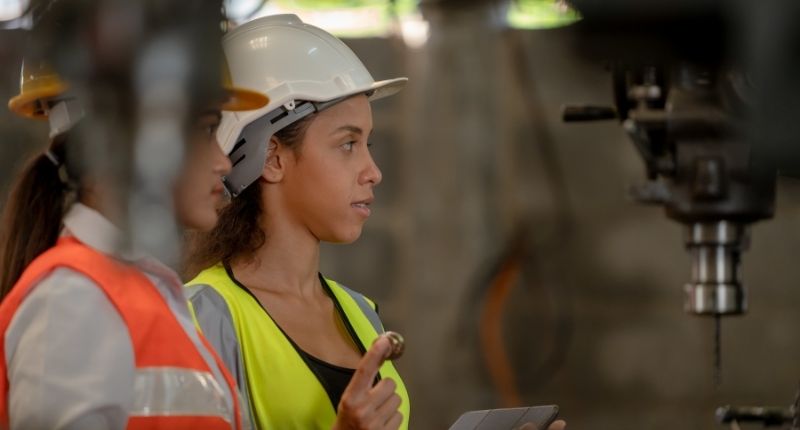
The Australian first Building Equality Policy (BEP) is part of the government’s strategy to disrupt stereotypes in the typically male-dominated industry.
The BEP will mandate that all new government projects must have at least females in at least 3% of each trade role, 7% of each non-trade position and 35% of specialist and management roles. Additionally, 4% of labour hours for apprentices and trainees must be performed by women.
The policy will be in effect from 1 January 2022 with the state government also announcing $3.5 million towards the policies implementation with another $1.5 million towards the medium and long term delivery of action the Women in Construction Strategy 2019-22.
“These targets are the first step in significantly increasing the number of women on construction,” said Industrial Relations Minister, Tim Pallas.
“It’s essential to cement the role of women in a modern construction industry and we’ve worked with employers, industry and unions to work towards these targets.”
Tim Pallas, Minister for Industrial Relations

The state government has acknowledged that over the past 30 years women have made up only about 2-3% of the construction workforce, with the pandemic disproportionality impacting women’s participation rate.
“We need to make women aware that construction is an attractive and viable career option – and these targets will ensure women are proactively included and stay in the industry, with stronger career pathways,” added Jacinta Allan.
“Greater diversity makes our workplaces stronger – and greater representation of women in construction will benefit everyone in the industry.”
There will be a two-year transitional implementation period with non-compliance action for those not following the policy from January 2024.
Industry support
The announcement has been welcomed by the construction industry, with the Building Industry Consultive Council (BICC) working closely with the government to develop the policy.
Rebecca Casson, CEO of Master Builders Victoria and Acting Chairperson of the BICC, said the changes must be implemented to improve participation rates.
“More women are active in building and construction now than in the past, but they still make up just 2.5 per cent of all building and construction trades workers in Victoria,” she said.
“Our sector must change if it is to reduce skills shortages and have a thriving and sustainable future.”